Image
Image
Image

About the Collaborative

Image

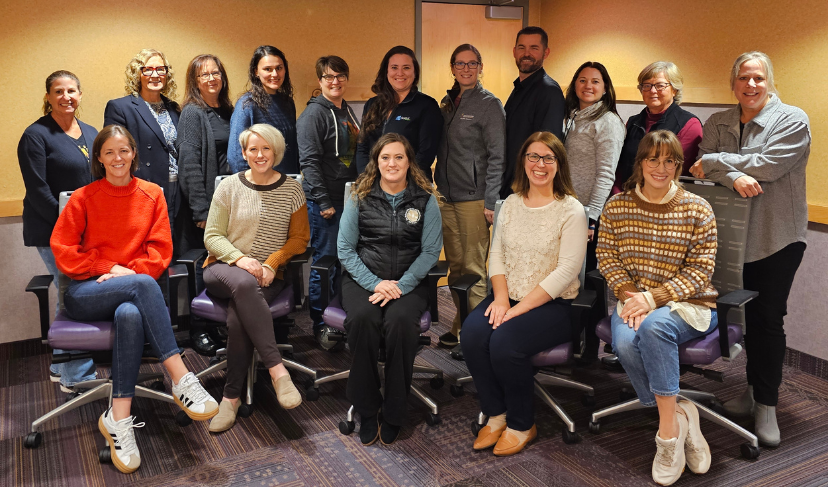
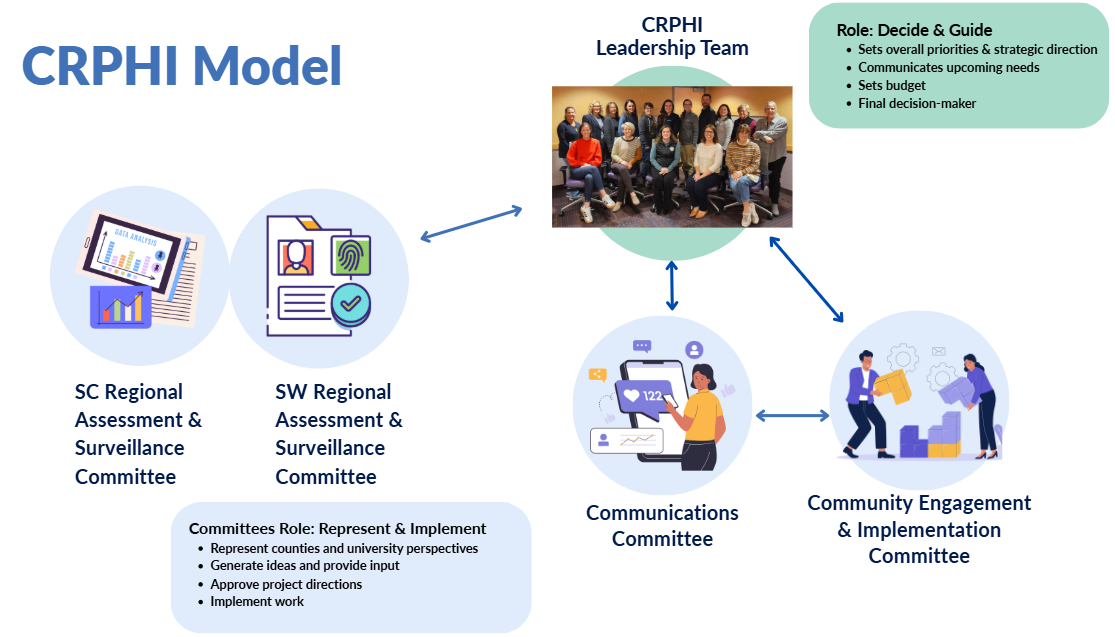
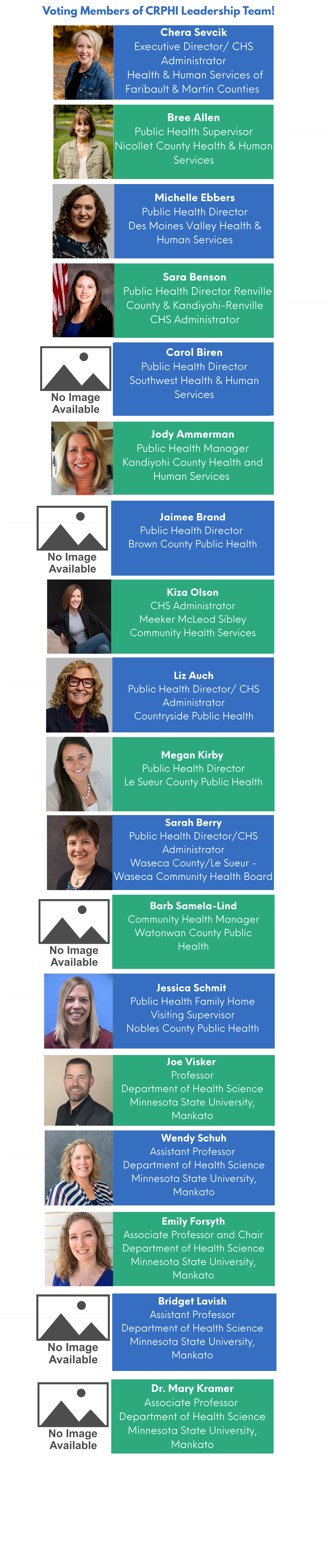
Leadership for the Collaborative for Rural Public Health Innovation (CRPHI) includes membership of local public health leaders representing 25 counties in South Central and Southwest Minnesota, representatives from the Department of Applied Health Science at Minnesota State University, Mankato, and representatives from Minnesota Department of Health. 

For more information about the Collaborative of Rural Public Health Innovation, contact CRPHI.

Rural communities are confined by a lack of resources - both with the availability of local funding and with the ability to recruit and retain a workforce with the expertise needed to fully implement all requirements necessary to ensure public health services for all Minnesotans. 

In 2024, leaders representing public health agencies in south central and southwest began exploring a partnership with leaders from Minnesota State University, Mankato Department of Applied Health Science. The goal of the partnership is to identify ways rural public health agencies could utilize students and faculty support to assist local public health in meeting foundational requirements such as public health communication and data collection and analysis. Not only would this partnership benefit local public health by bridging workforce and capacity gaps, but it will also benefit the university through enhanced student educational experiences, allowing students graduating from the University, to be well connected to future employers and ready to start their roles on day one of employment. 

From this promising idea, the Collaborative for Rural Public Health Innovation was launched. The collaborative obtained a $530,000 2-year grant from the Minnesota Department of Health to explore and test the effectiveness of this partnership in alleviating challenges in delivering public health services. Health & Human Services of Faribault & Martin Counties is the fiscal host and organizational leader overseeing this work.

Over the next two years, this project will explore the following learning points:

1) What opportunities exist for increasing capacity and cross jurisdictional sharing between public health departments within a large rural region?

2) Will developing capacity within higher educational institutions support local rural public health agencies increase their capacity to carry out foundational public health capabilities related to assessment and surveillance, communications, community partnership development, equity, policy development and organizational competencies?

3) Will fostering relationships between higher educational institutions and local public health agencies result in greater number of placements for student internship, preceptorship, and full-time employment opportunities?

4) Upon completion of this pilot, will public health students be more prepared for the demands of public health work in rural communities?

This proposed project will help Minnesota Public Health system identify how to utilize and build a future workforce to support rural communities in achieving capabilities. This work has the potential to create a model for other universities and local public health agencies to adopt to mutually support population health improvement and alleviate workforce constraints that lead to the inability to implement foundational public health services.

Image
Image

Foundational Public Health in Minnesota


The above outlines the model framework outlining the foundational responsibilities of the governmental public health system. It defines what needs to be in place for Minnesota's public health system to work anywhere. 

Foundational public health responsibilities are the core functions and essential services that public health agencies must provide to ensure the health and well-being of the entire community. Key responsibilities include:

  1. Assessment and Monitoring: Regularly collecting, analyzing, and using data to monitor the health of the community, identify health problems, and understand health trends. This includes conducting health surveys and maintaining health registries.

  2. Policy Development and Planning: Creating policies and plans that support individual and community health efforts. This involves setting health priorities, developing regulations, and planning for public health emergencies.

  3. Health Education and Promotion: Informing and educating the public about health issues, promoting healthy lifestyles, and providing information on disease prevention. This includes public awareness campaigns and health education programs.

  4. Community Engagement and Partnerships: Collaborating with community organizations, stakeholders, and other sectors to identify and address public health issues. Building partnerships to leverage resources and expertise.

  5. Enforcing Public Health Laws and Regulations: Ensuring compliance with health laws and regulations to protect public health. This includes inspections, licensing, and enforcement actions.

  6. Access to Health Services: Facilitating access to necessary health services, including preventive, primary, and specialty care. This can involve providing direct services, referrals, and supporting healthcare providers.

  7. Disease Prevention and Control: Implementing programs to prevent and control infectious diseases, chronic diseases, and other health threats. This includes vaccination programs, screening, and health interventions.

  8. Public Health Research and Innovation: Conducting research to understand health issues, develop new solutions, and improve public health practices. Encouraging innovation and evidence-based decision-making.

  9. Emergency Preparedness and Response: Preparing for and responding to public health emergencies, such as natural disasters, pandemics, and bioterrorism. This includes developing emergency plans, conducting drills, and coordinating response efforts.

  10. Workforce Development: Ensuring a competent public health workforce through training, education, and professional development. This involves recruiting, retaining, and supporting public health professionals.


These foundational responsibilities are essential for protecting and improving the health of communities and ensuring a robust public health infrastructure.