Image
Image
Image

Cannabis

Image

Cannabis Terms

From THC and CBD to Delta-8, Delta-9, and hemp, there's a lot more to understand. Knowing the differences can help you protect yourself and your family. Read below to learn what these terms mean and how they might affect your health.

Hemp
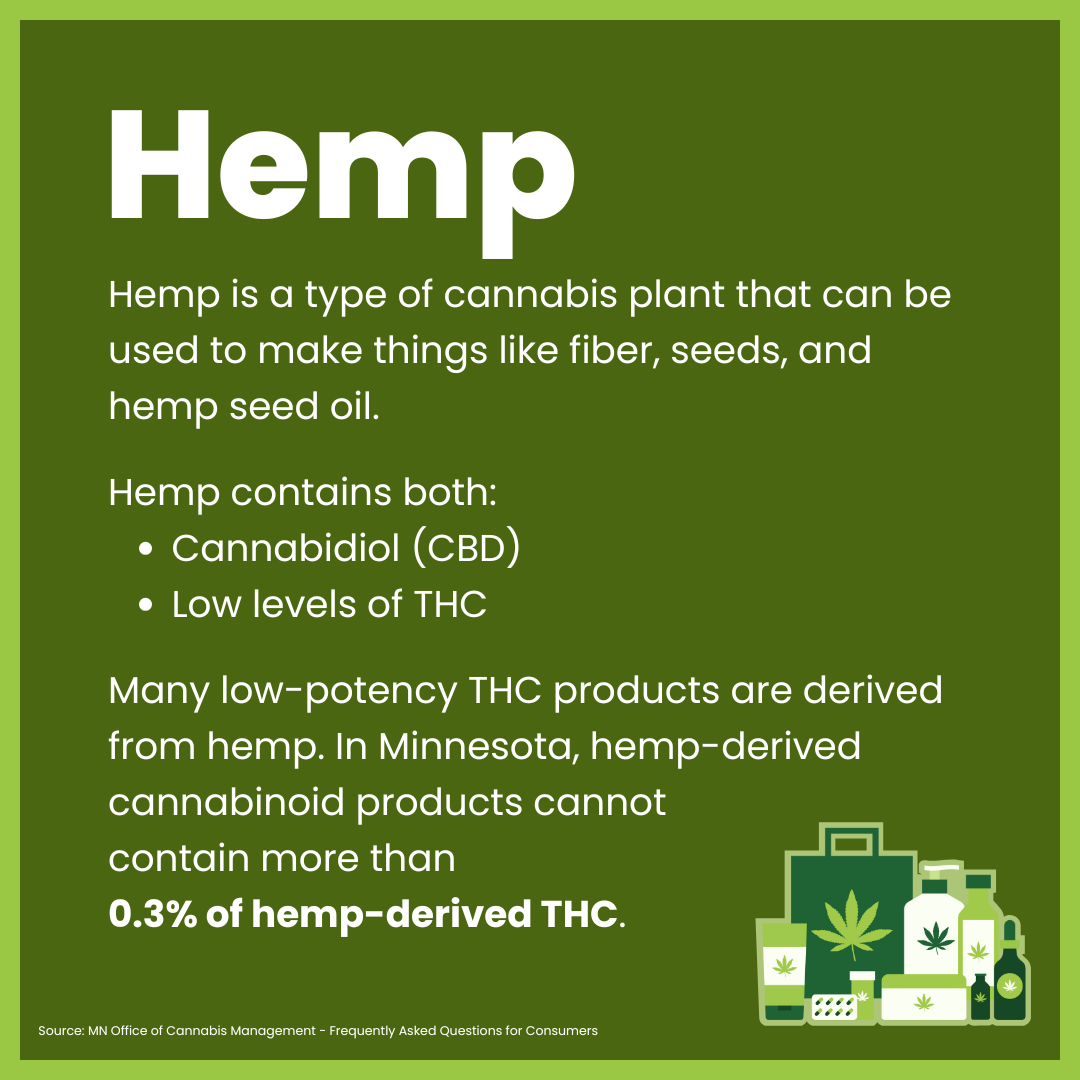
Hemp is a type of cannabis plant that can be used to make things like fiber, seeds, and hemp seed oil. Hemp contains both cannabidiol (CBD) and low levels of THC. Many low-potency THC products are derived from hemp. In Minnesota, hemp-derived cannabinoid products cannot contain more than 0.3% of hemp-derived THC.

CBD
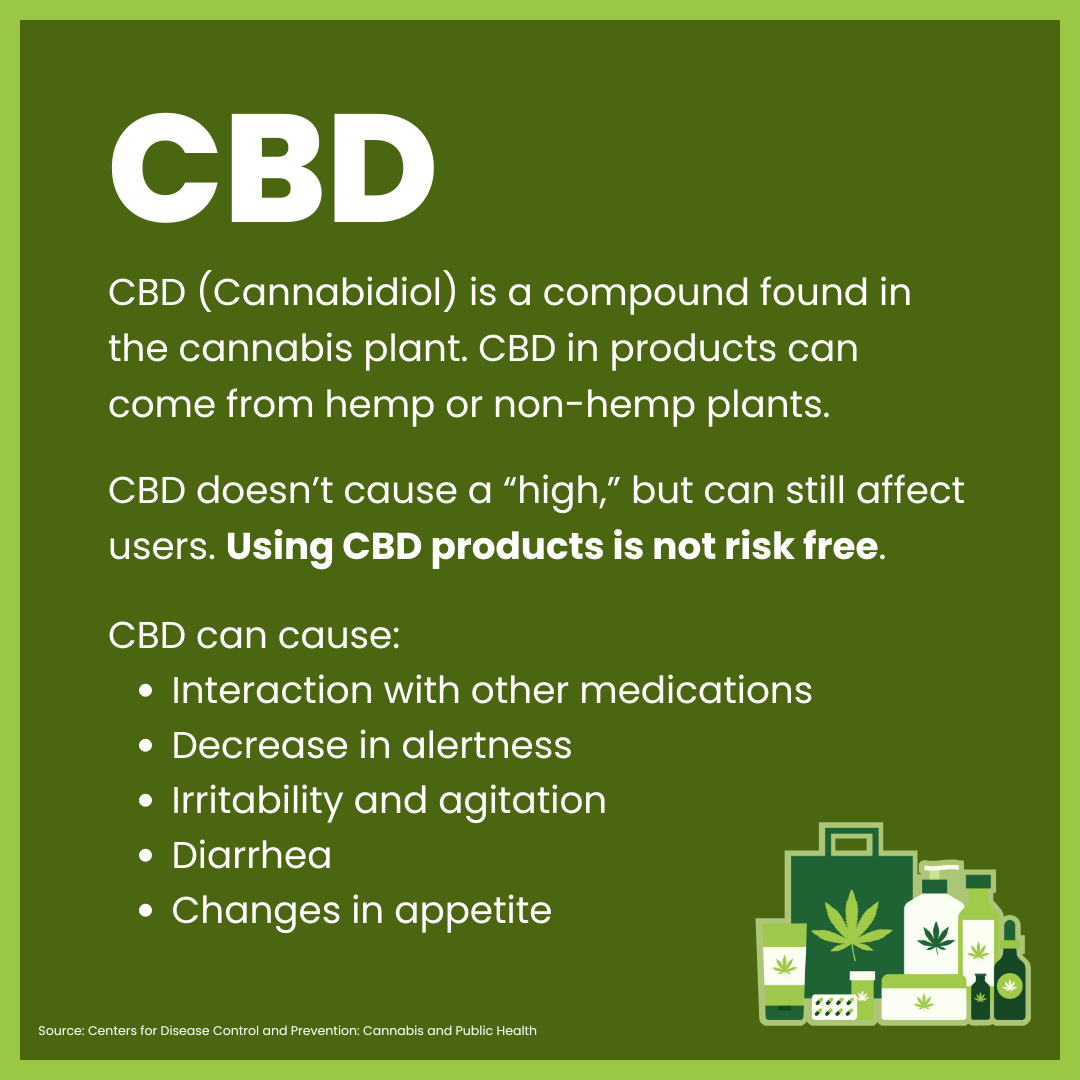
CBD (Cannabidiol) is a compound found in the cannabis plant. CBD in products can come from hemp or non-hemp plants. CBD doesn’t cause a “high,” but can still affect users. Using CBD products is not risk free. CBD can cause interactions with other medications, decreases in alertness, irritability and agitation, diarrhea, and changes in appetite.

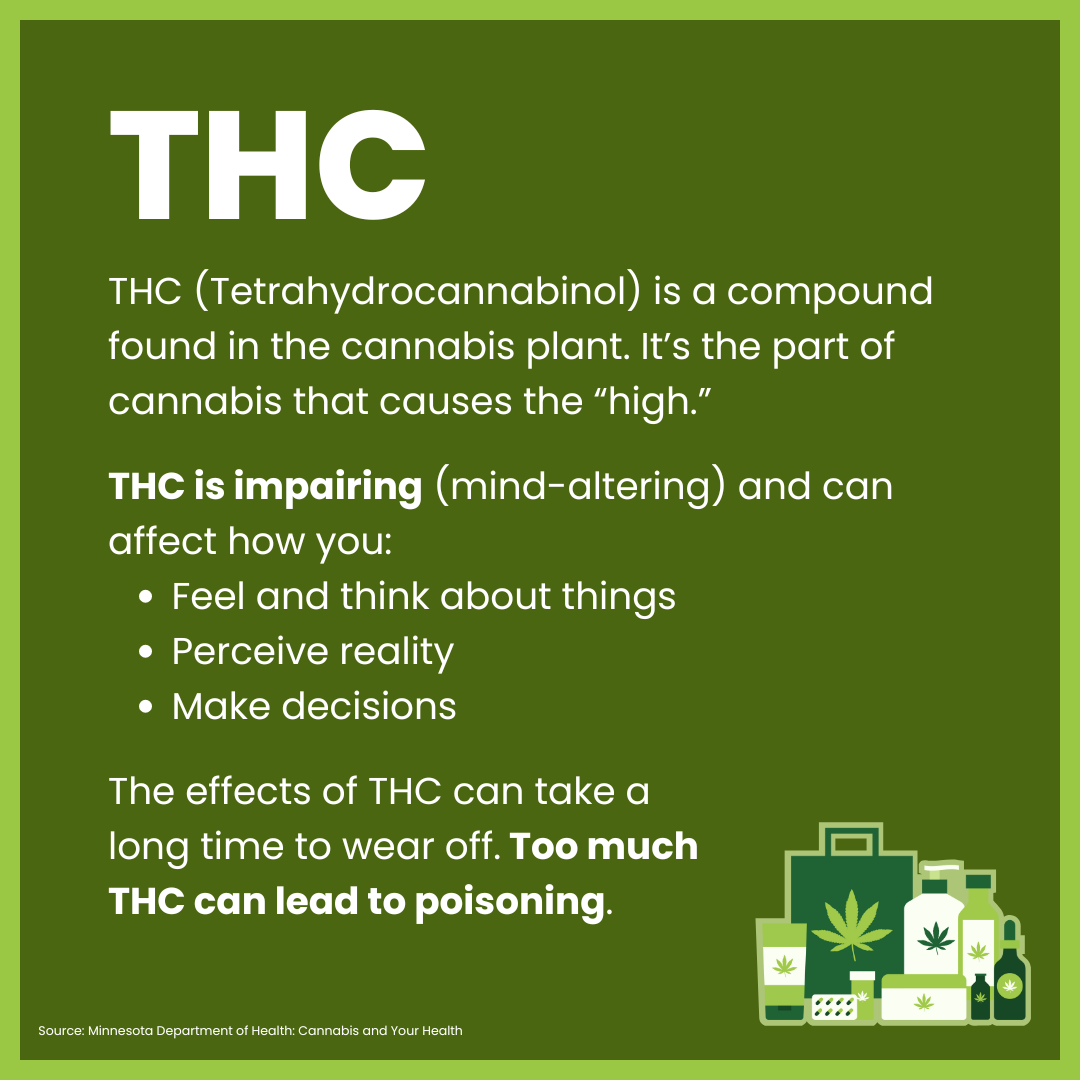
THC
THC (Tetrahydrocannabinol) is a compound found in the cannabis plant. It’s the part of cannabis that causes the “high.” THC is impairing (mind-altering) and can affect how you feel and think about things, perceive reality, and make decisions. The effects of THC can take a long time to wear off. Too much THC can lead to poisoning.

Delta-8
Some manufacturers convert hemp-derived CBD into concentrated Delta-8 THC using chemical solvents. This chemically-derived Delta-8 THC is much more potent than what is normally found in the cannabis plant. Delta-8 THC has similar intoxicating and mind-altering effects as Delta-9 THC. The FDA has received over 100 reports of adverse events in people using Delta-8 THC products since 2020.

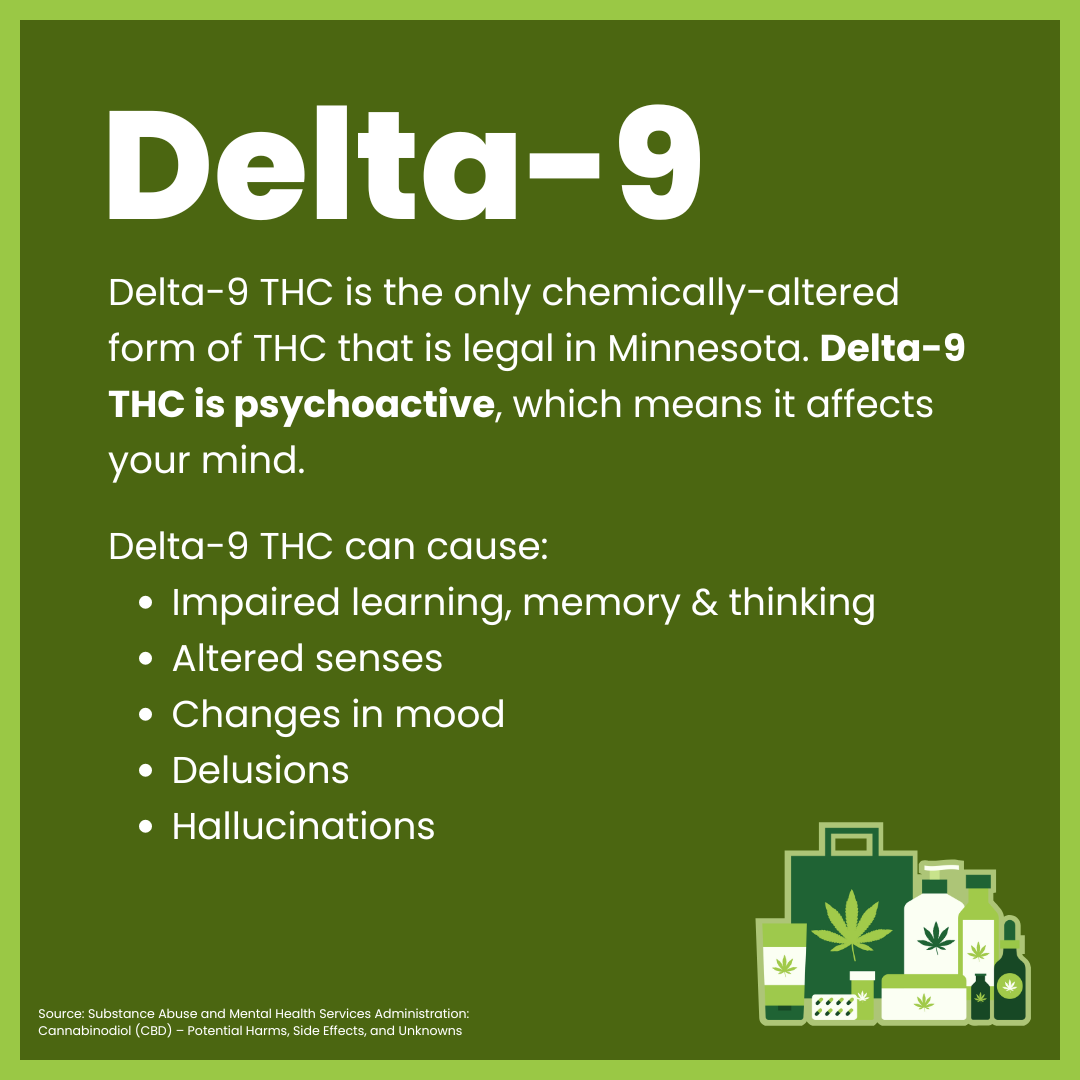
Delta-9
Delta-9 THC is the only chemically-altered form of THC that is legal in Minnesota. Delta-9 THC is psychoactive, which means it affects your mind. Delta-9 THC can cause impaired learning, memory & thinking, altered senses, changes in mood, delusions, and hallucinations.

Image

What's the Buzz on CBD?

Is CBD legal in Minnesota?
Yes, in 2018, US Congress passed & signed the Agricultural Improvement Act into law. This law removed hemp from the federally Controlled Substances Act, making CBD derived from hemp legal. It is illegal for CBD products to contain more than 0.3% of hemp-derived THC.

What products may contain CBD?

  • Foods
  • Beverages
  • Oils
  • Lotions
  • Capsules
  • Cosmetics
  • and many others

To ensure that you are not using products that contain CBD, read labels carefully before using these products.

If a product contains CBD, does that mean it is “non-intoxicating”?
Many products contain BOTH THC and CBD. It is important to read labels carefully to know what is in the products. Reminder: THC is intoxicating and causes a “high” while CBD does not.

Source: Minnesota Office of Cannabis Management, https://mn.gov/ocm/faq/

Image

What's the Talk on THC?

If THC products are legal in MN, does that mean they are safe?
Cannabis products that contain THC can have health risks no matter how they are used. THC oils and concentrates used in vaping and dabbing often have highly concentrated forms of THC and may contain additives or be contaminated with other substances. Smoking and vaping THC products carries even more risks because it can damage lungs and worsen respiratory symptoms.

Is it possible to “overdose” on THC?
A fatal overdose from THC is unlikely, but THC is not harmless, and too much can cause serious health symptoms, especially in children. The signs and symptoms of THC poisoning:

  • extreme confusion
  • anxiety
  • paranoia
  • panic
  • fast heart rate
  • delusions or hallucinations
  • increased blood pressure
  • severe nausea or vomiting

Since THC drinks are sold at bars & liquor stores, can I drink them with alcohol?
It Is NOT safe to mix cannabis and alcohol. Mixing cannabis and other substances can lead to unsafe behaviors and injuries. To avoid mixing substances, read labels before consuming.

Image

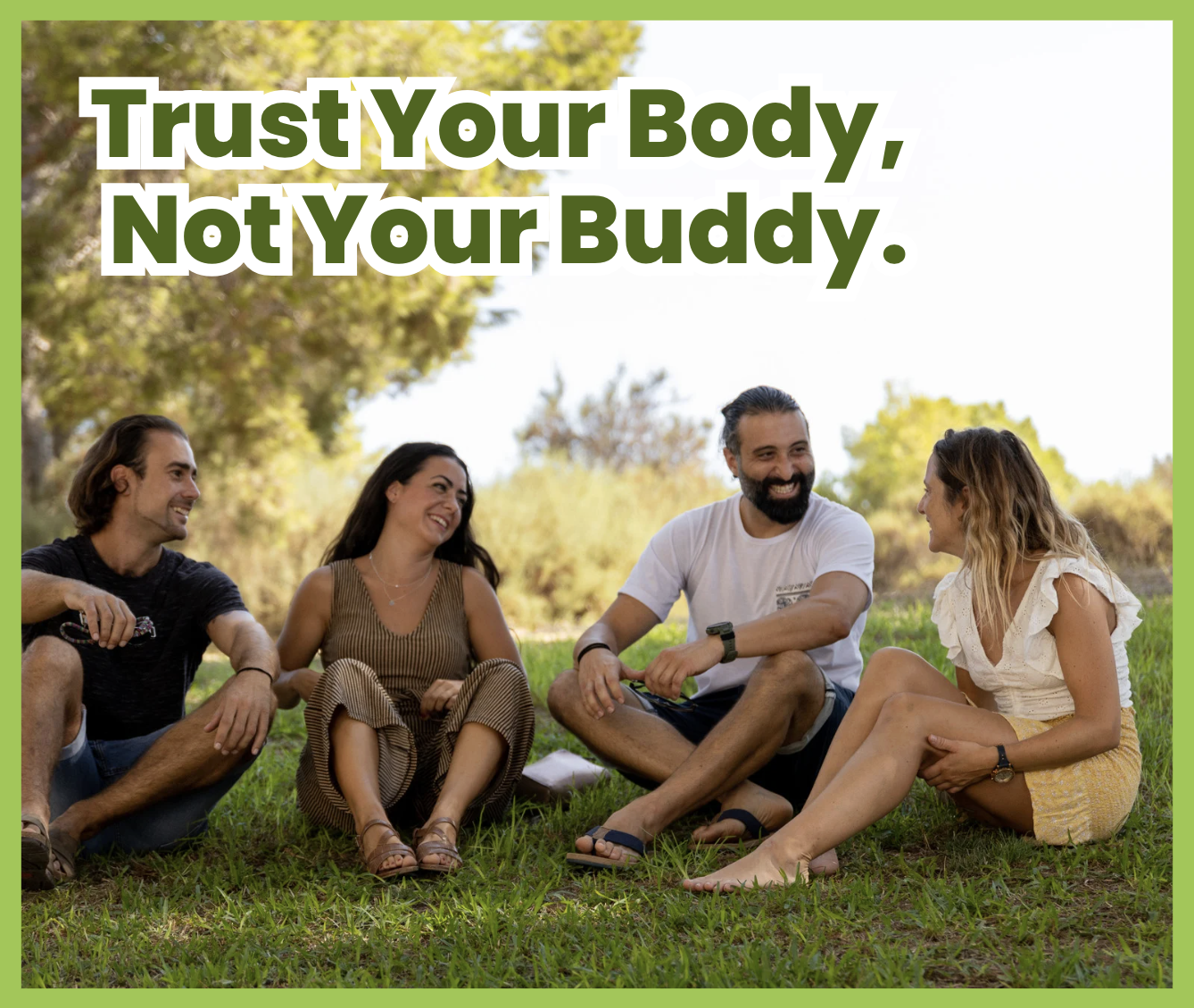
Just because someone says it's safe doesn't mean it is. Cannabis affects everyone differently. What works for someone else could hit you a lot harder.

Things like body weight, tolerance, mental health, and THC content all make a difference in how cannabis may affect you. Trust your body. Make informed choices about cannabis.

Image

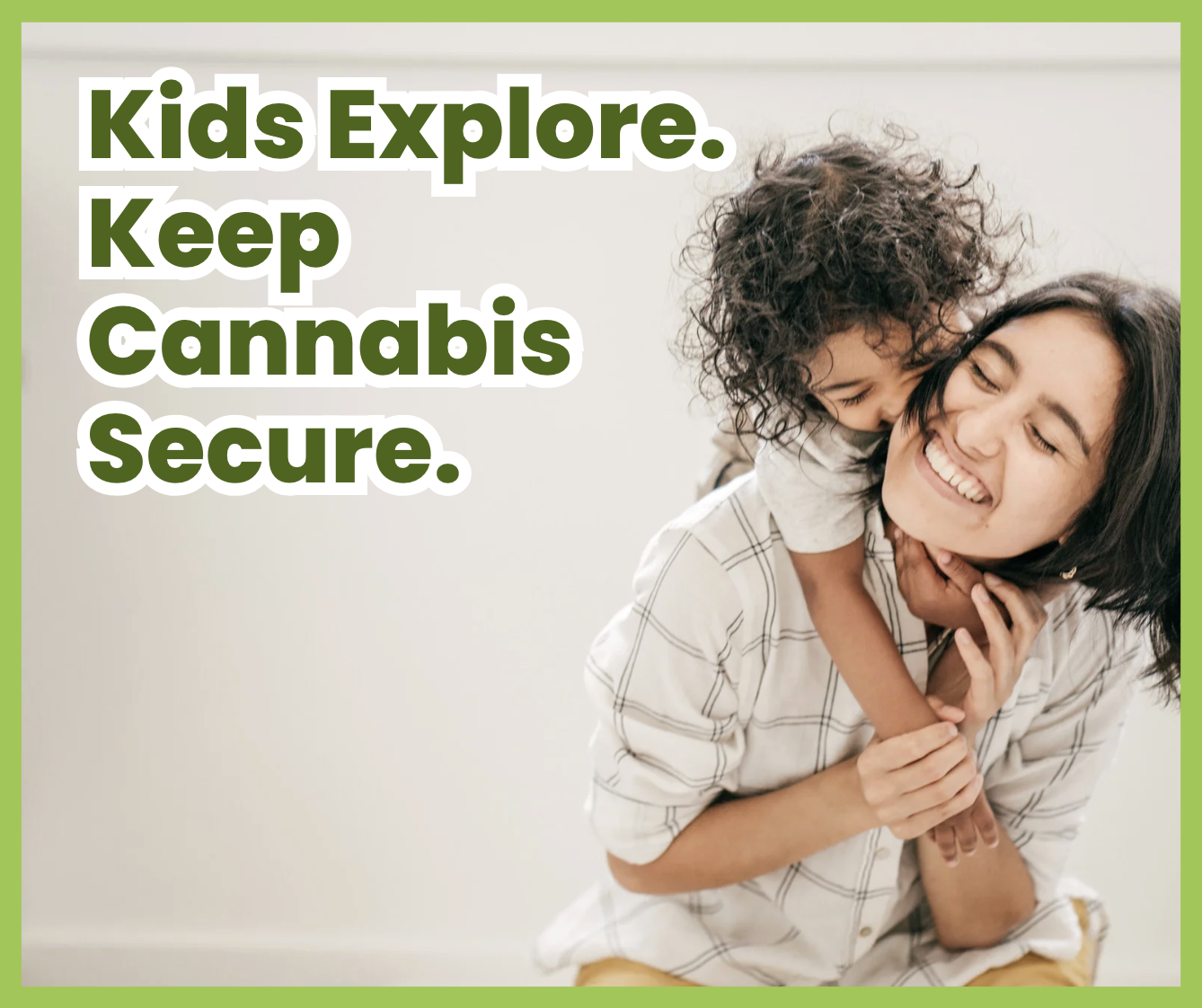
Young kids are curious — and many cannabis products can look like food or candy. Even small amounts of THC can be dangerous for children.

If you have edibles, vapes, or other cannabis products in your home, store them securely - locked up, out of sight and out of reach, keep them in original packaging, and never use them in front of kids. These steps will help you protect your little explorers!

Image

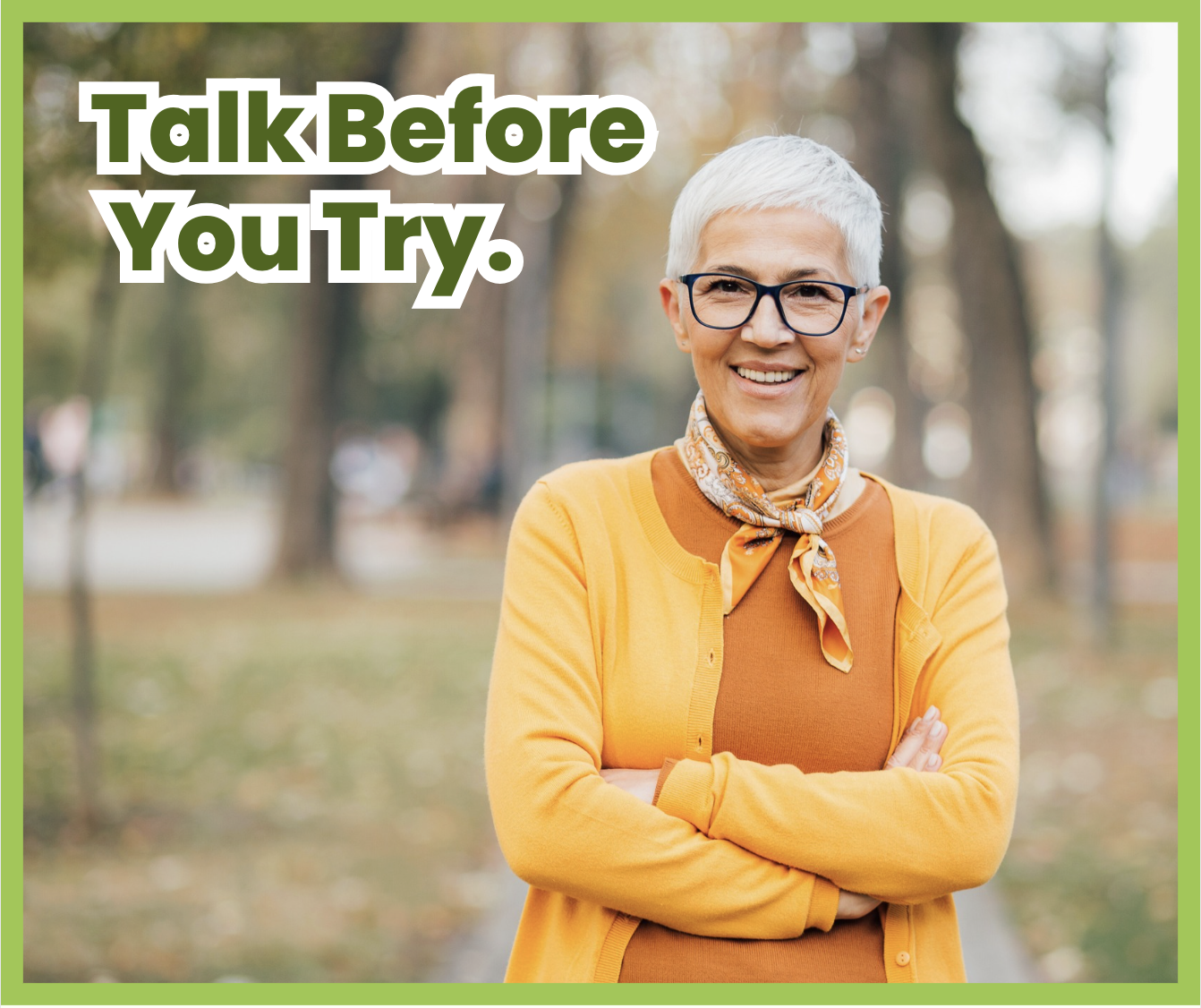
You may have heard that cannabis is "natural" and safe, but it can change how medicines work in your body. Some mixes can be dangerous, especially if you take heart medicine, blood pressure pills, or blood thinners.

Before you try any cannabis product, talk to your doctor first. Be honest about what you want to try and ask questions. It's better to be safe than sorry.

Image

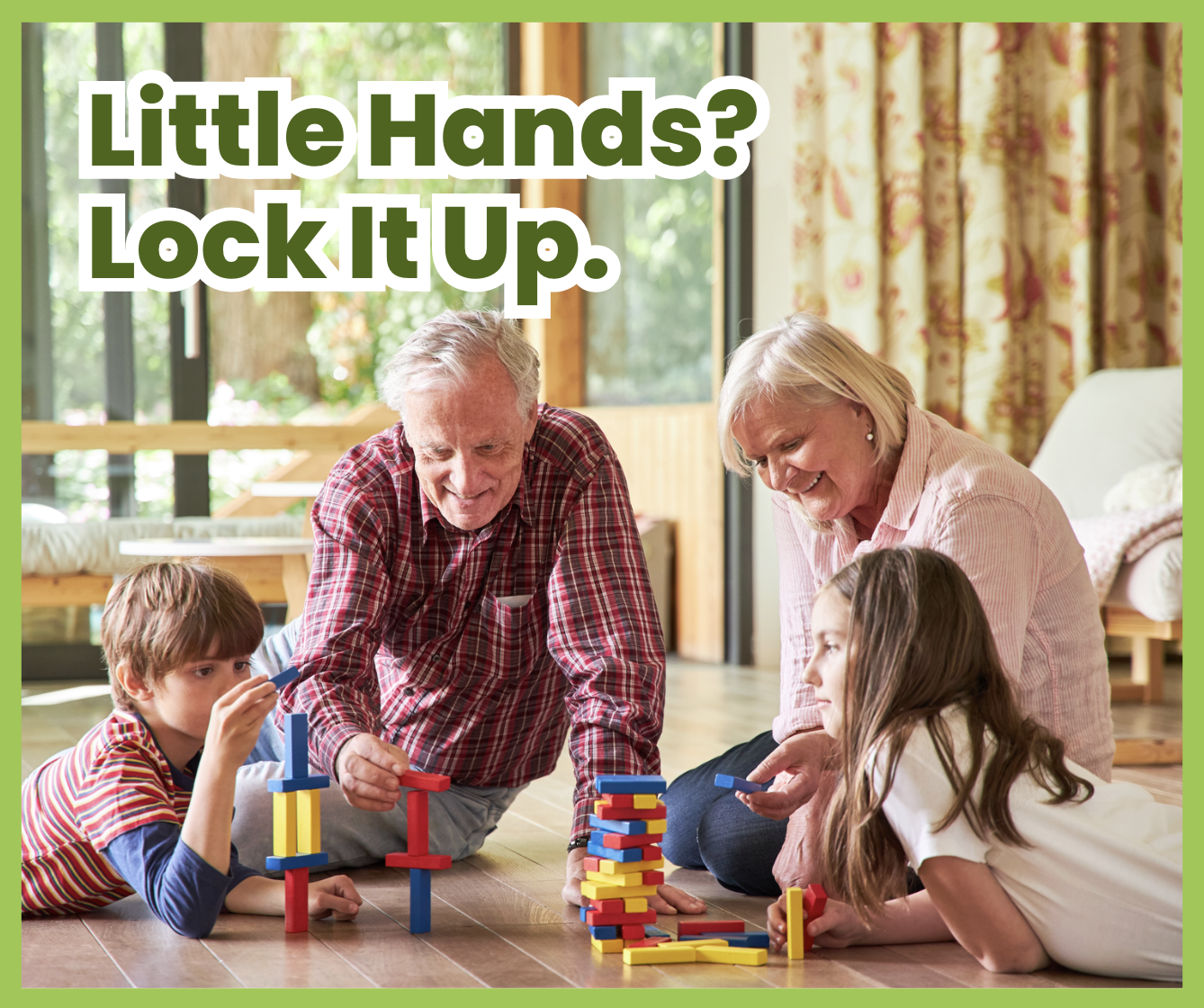
The holidays often bring family and friends into your home. Curious kids and visiting relatives may not recognize cannabis products, and even small amounts can be harmful.

If you use cannabis, keep your family safe by storing products locked, out of sight, and out of reach. If you no longer want them, dispose of them safely. This season, protect what matters most.

Image

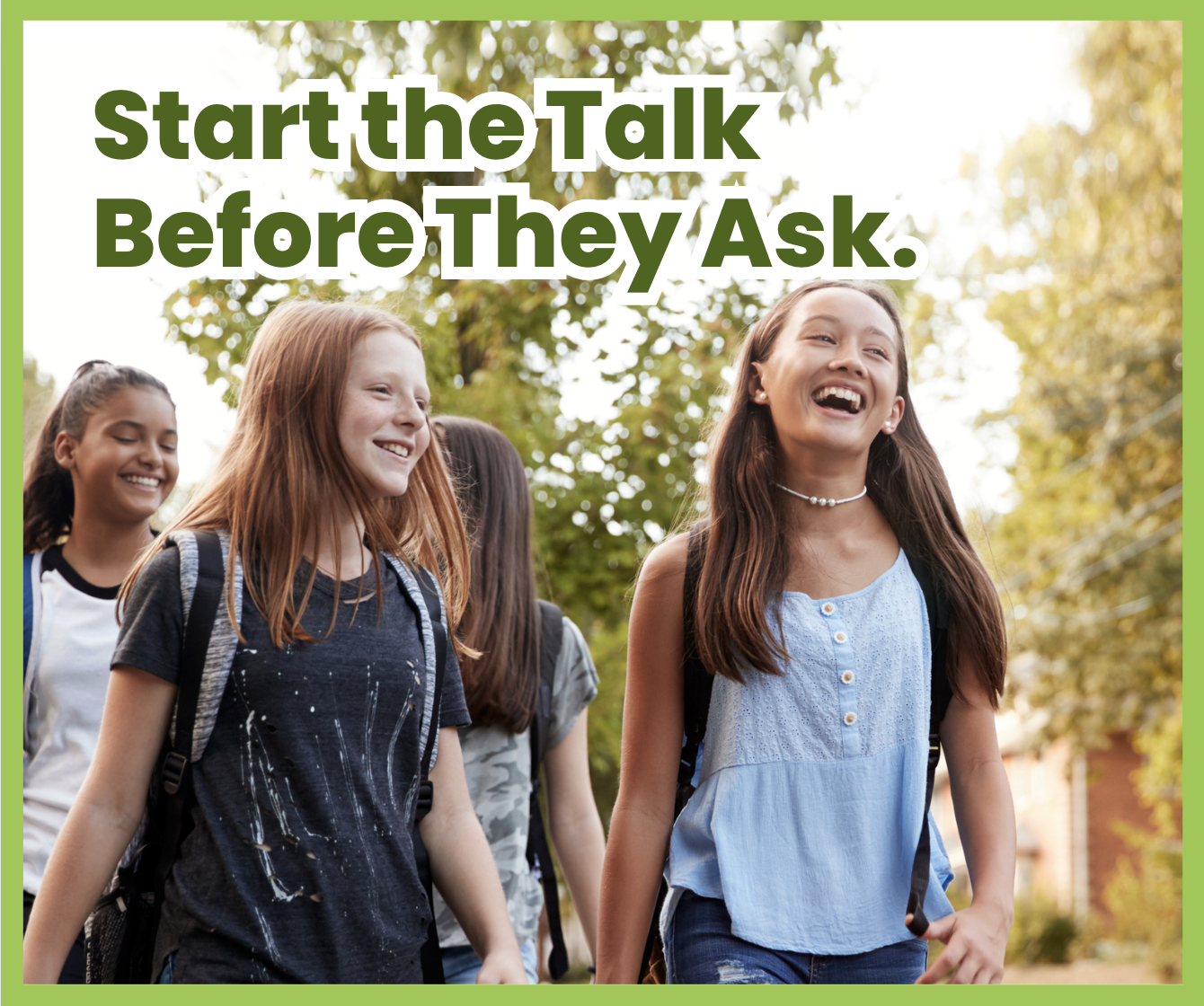
Kids are hearing about cannabis from friends, social media, and the world around them. The best way for them to get accurate information is from you! Don’t wait for them to bring it up; starting the conversation early helps them separate facts from myths, understand the risks, and make safer choices.

Even quick conversations can make a big difference. Start the talk before they ask. If you need tips or resources, check out the conversation guide below.

Image

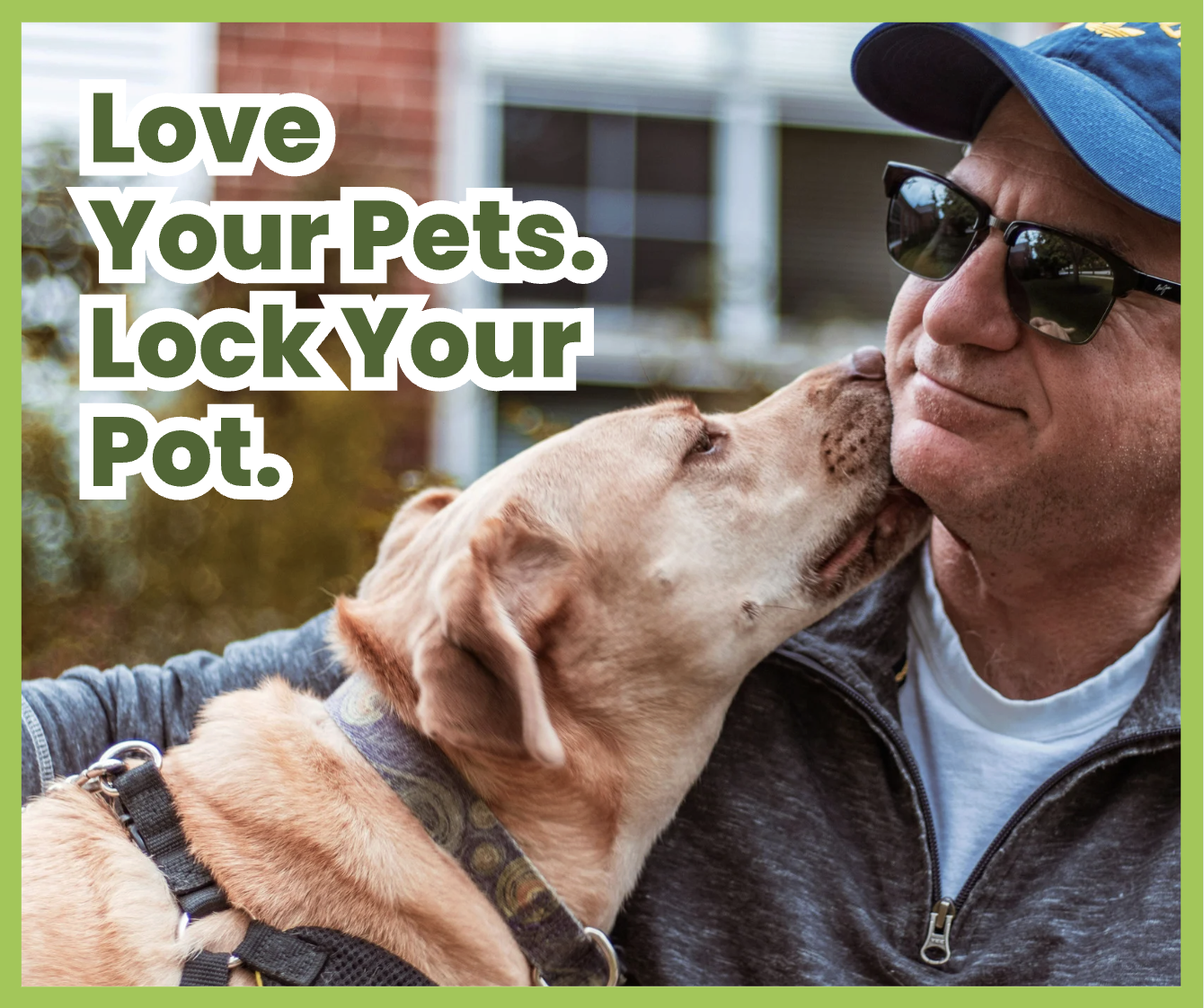
Even small amounts of cannabis can be harmful to pets! What might be a mild buzz for you could be a medical emergency for your dog or cat.

Keep cannabis products in secure containers, away from little paws and curious noses. If you think your pet may have eaten cannabis, call your vet right away.

Your four-legged friend is counting on you.

Image

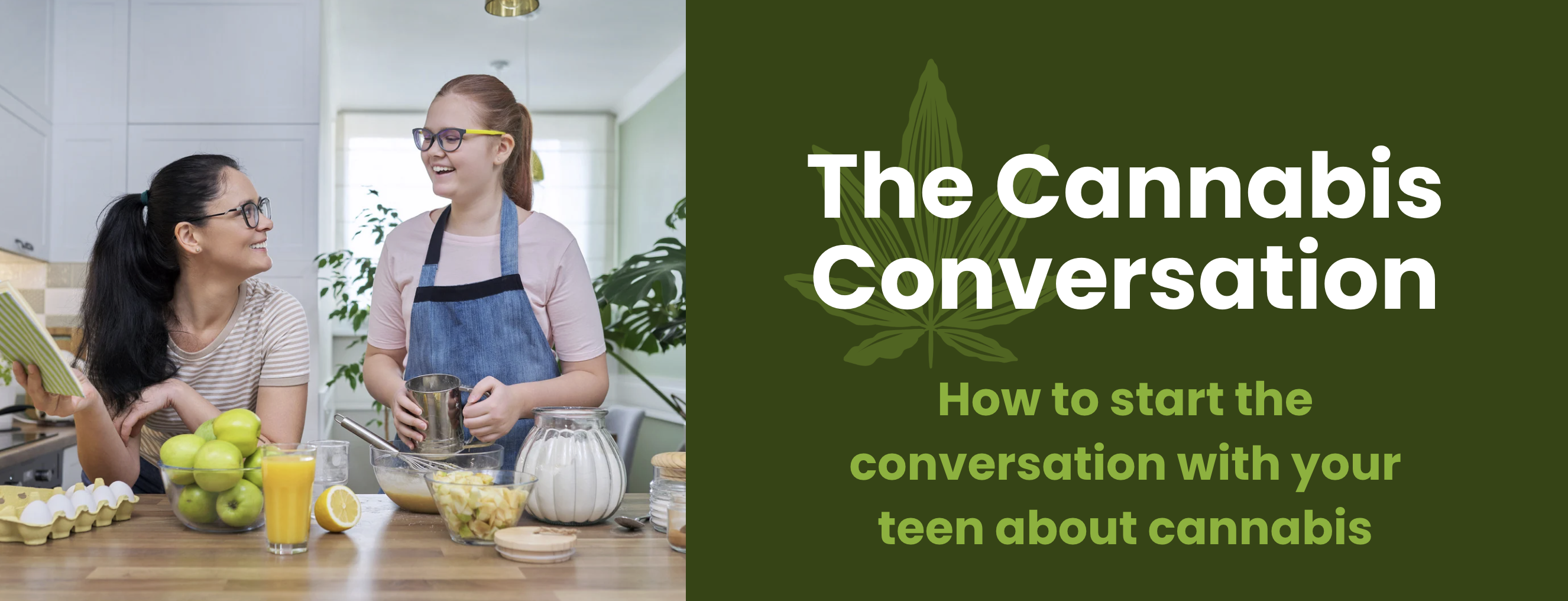
Start the Talk Before They Are Asked.

Non-medical cannabis became legalized in Minnesota in 2023 for adults age 21+. Dispensaries will soon begin to pop up around the state. Now is the perfect time to talk to your teen about cannabis.

Signs of Use in Teens

  • difficulty thinking and problem-solving
  • problems with memory and learning
  • difficulty paying attention
  • reduced coordination
  • problems with school and social life

When teens begin using cannabis before age 18, the rate of addiction rises to 1 in 6. Start the conversation before they have a chance to try.

Before You Talk

  • Check out the resources below for reliable and accurate information about cannabis.
  • Pause for a moment to take a deep breath and calm yourself for the conversation.
  • Lead with curiosity rather than judgement - this can make it easier for your teen to talk.
  • Encourage honesty, even if you don’t love what they say

When You Talk

Empathy & Empowerment. Validate your teen’s experiences and avoid judgement. This will help to build trust and create open conversations in the future. Empower your teen to make healthy decisions.

Ask Open-Ended Questions. The conversation will flow better if you keep the questions open and free of judgement. Instead of asking “Do you use cannabis?” say “What do you think of cannabis?” or “What are your friends saying about cannabis?”

Relevance to Personal Goals. Explain how using cannabis comes with consequences and can affect their personal goals. This can include things like sports, college, relationships, and other activities.

Provide Credible Facts. Share accurate information about cannabis (see resources on back page of this guide). This will help you counter misinformation with facts and confidence.

Image

Cannabis Resources

Minnesota Department of Health

Additional Resources