Image
Image
Image

Interns in Action!

Interns are working on projects that:

Help tell our public health story

What exactly is public health and why should we care about it? A CRPHI intern developed a campaign that helps the community understand the role of public health agencies in promoting, preventing and protecting the health of their communities. The Power of Public Health campaign includes the development of key messages that help the community understand how public health is different from health care or human services work and shares a wide spectrum of examples of how public health agencies are involved behind the scenes in keeping communities healthy and safe for everyone. The campaign included development of both digital and print products that tell the public health story.

Image

Support cannabis data work

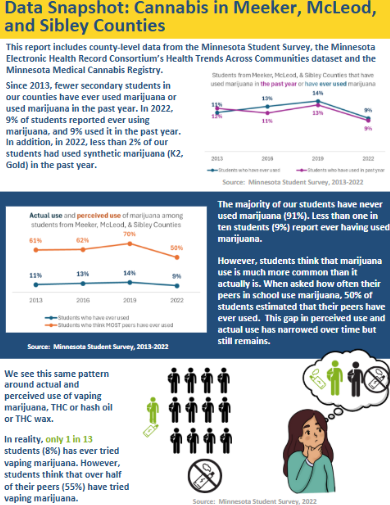
As local public health agencies begin to support cannabis education work, agencies needed to understand existing cannabis use to plan for education and awareness activities. CRPHI interns compiled health department level health data from electronic health records, Minnesota Student Survey and the Minnesota Medical Cannabis Registry to help our communities understand current cannabis use.

Additionally, CRPHI interns developed a Cannabis Data Slide Deck presentation for each local health department which can be used by staff to inform community partners about current cannabis availability and use.

Image

Help residents understand the cannabis

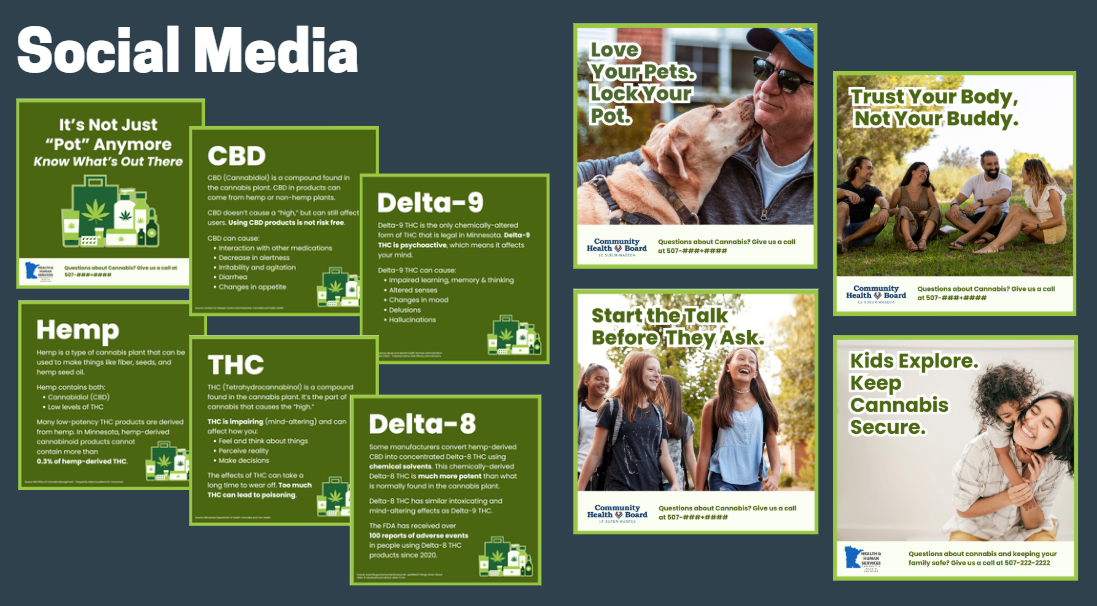
A CRPHI Intern helped take the cannabis data to the next level by developing a comprehensive communications campaign that targeted older adults, parents and teens. Working with the CRPHI Communications Committee, the intern created a three month campaign featuring social media graphics/education and printable materials such as wallet cards, rack cards and a parent conversation guide. Future interns will be able to continue this project by adding additional target populations and topics.

Image

Showcase rural health departments

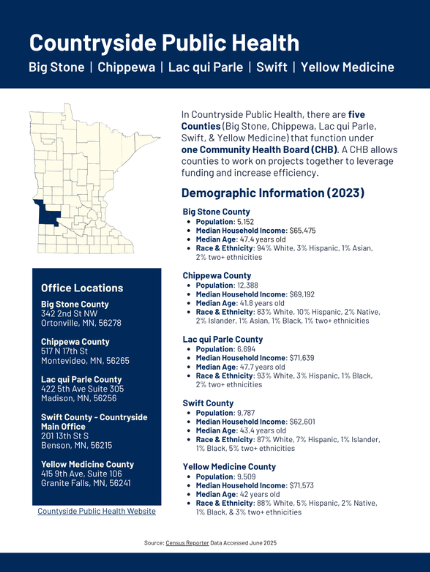
In Minnesota, there are a variety of ways local health departments are formed and structured. This includes single county health departments, multi-county health departments, single-county health and human services agencies and multi-county health and human services agencies. CRPHI interns developed handouts that provide specific information about each health department, how they are structured, demographic and local agency information.

Image

Improve community health assessments

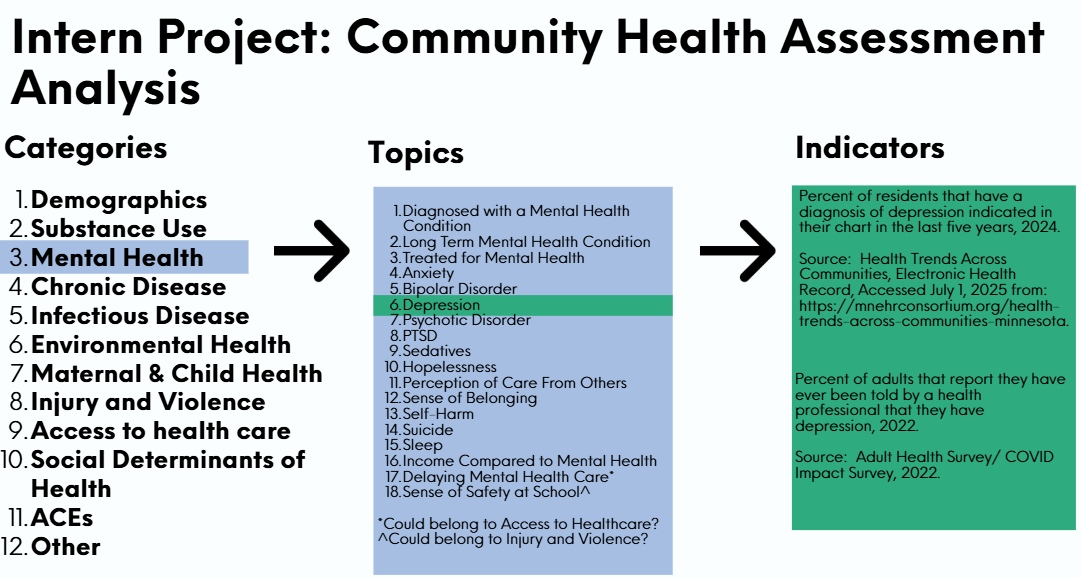
All Community Health Boards in Minnesota are required to complete a Community Health Assessment (CHA) every five years. Historically, as a way to collect health data, health departments have administered an adult health survey. This is a random sample mailed survey to households within their jurisdiction to collect self-reported data. In recent years, advancements in new data sources, such as electronic health records data can be used to offset the costly expense of administering these surveys. A CRPHI intern has been working to analyze and catalogue the sources of data used by health departments in their CHA to new data sources that are now available. This quality improvement process will improve the quality of community health assessments and likely reduce the need for costly mailed surveys.

Image

Support health departments to promote mental wellbeing

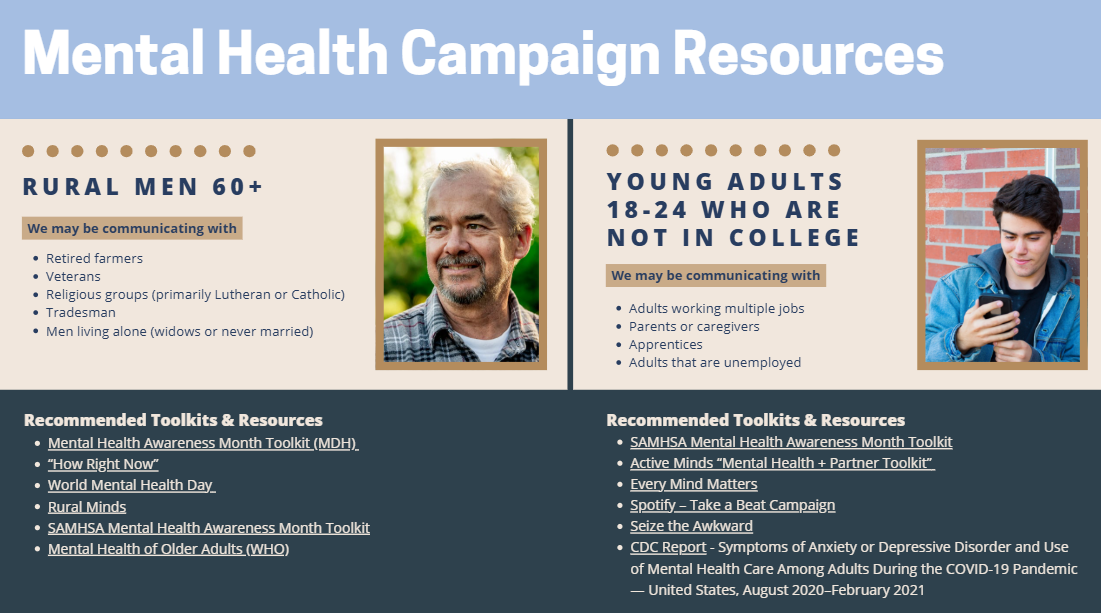
Through the community health assessment process, all community health boards have identified mental health as a top health concern. CRPHI utilized a student intern to research different toolkits and resources currently available that help support mental wellbeing, especially among men in our communities. These findings were provided to the Communications Committee to help develop a Regional Mental Health campaign that will launch in 2026.

Image

Support health departments to respond to measles

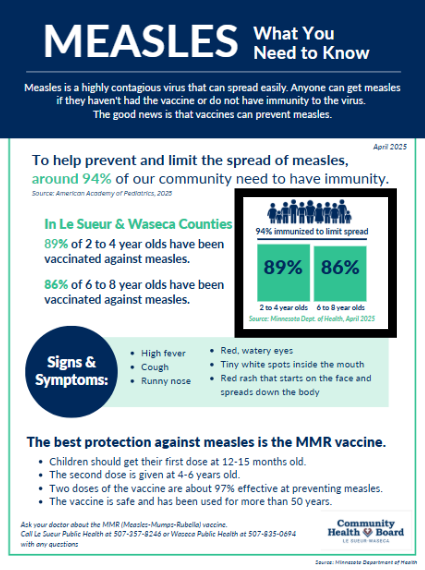
Measles cases are on the rise across the U.S. As one of the most infectious diseases, measles has the potential to hit communities hard, especially in areas where immunity is lower. CRPHI interns analyzed county-level data to better understand current vaccination rates and developed health department level handouts that provide information about what measles is, how someone gains immunity to measles and what signs or symptoms to look for with measles. These handouts can be helpful for use by public health agencies, medical providers and community partners.

Image

Help health departments better understand community needs

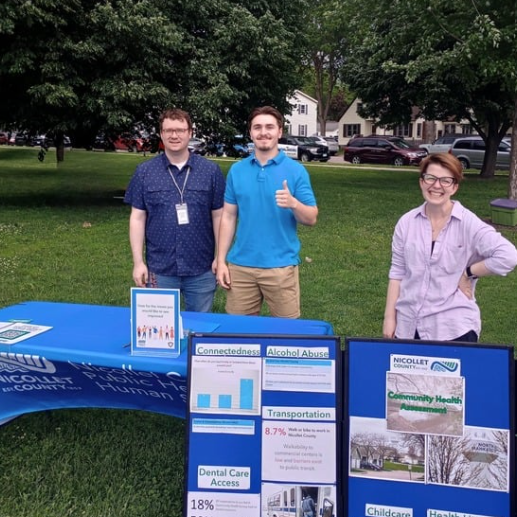
The best way for health departments to understand the health and needs of their community is to be out in the community, attend community events to collect firsthand information and share resources and attend meetings with community leaders. CRPHI interns are supporting health department staff by attending community events and helping to collect data and share information. After the event, interns analyze data and help develop written summaries that can help health departments better understand community needs.

Image
Image